
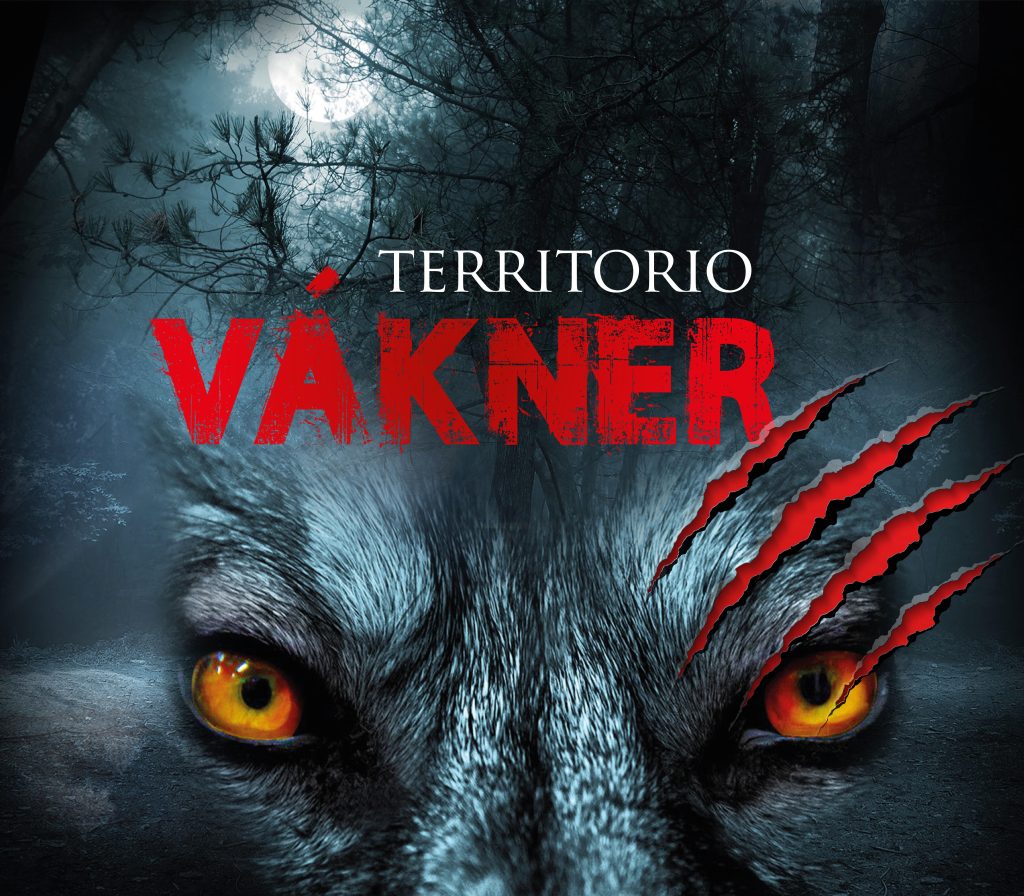
Bet You Didn’t Know This: There is a stretch of the Camino de Santiago where the Galician mountain mist brings not only dampness but also stories that made even the bravest pilgrims tremble for over five hundred years.
Long before reaching the sea at Fisterra or witnessing the ocean’s power at Muxía, the traveler must cross the inland territory of Dumbría. It was precisely in this area—amidst the Xallas River and the lush forests of the Costa da Morte—that a renowned 15th-century pilgrim left a written account of his encounter with the beast: the legendary Vákner.

The Armenian Bishop’s Chronicle: A Chilling Encounter
It was the year 1493 when Bishop Martiros of Arzendjan, a native of Armenia, set out on a journey after completing his pilgrimage to the Apostle’s tomb, intending to continue toward the “end of the world.” What he did not expect to encounter along the way was an unusual, wild, and colossal animal.
In his own travel journals—later compiled and preserved for centuries—the bishop wrote, in a state of bewilderment:
“We encountered the Vákner, a large, wild, and highly destructive beast. ‘How,’ the locals asked me, ‘did you manage to survive, when groups of twenty people cannot get through?'”
According to the account, locals warned pilgrims not to cross those mountains in small groups, as the creature would ruthlessly attack travelers. Martiros survived to tell the tale, making the Vákner the only historically documented reference to a monstrous or lycanthropic beast on the Way of St. James.
A werewolf, a mythical creature, or a natural enigma?
Over the centuries, historians and popularizers have debated what the Armenian cleric actually beheld:
* The Galician “Lobishome”: Folk tradition quickly linked the description of this creature—with its fierce gaze—to lycanthropy and the werewolf myth, which is deeply rooted in Galician mythology.
* An unknown beast: Others suggest it could have been a large, solitary wolf of exceptional size, or a wild animal now extinct in the forests of the Peninsula.
* A force of the landscape: To local culture, the Vákner embodies the untamed spirit of the wild lands separating the Compostela plateau from the cliffs of the Costa da Morte.
Experience the mystery and beauty of the Costa da Morte from caSAnosa.
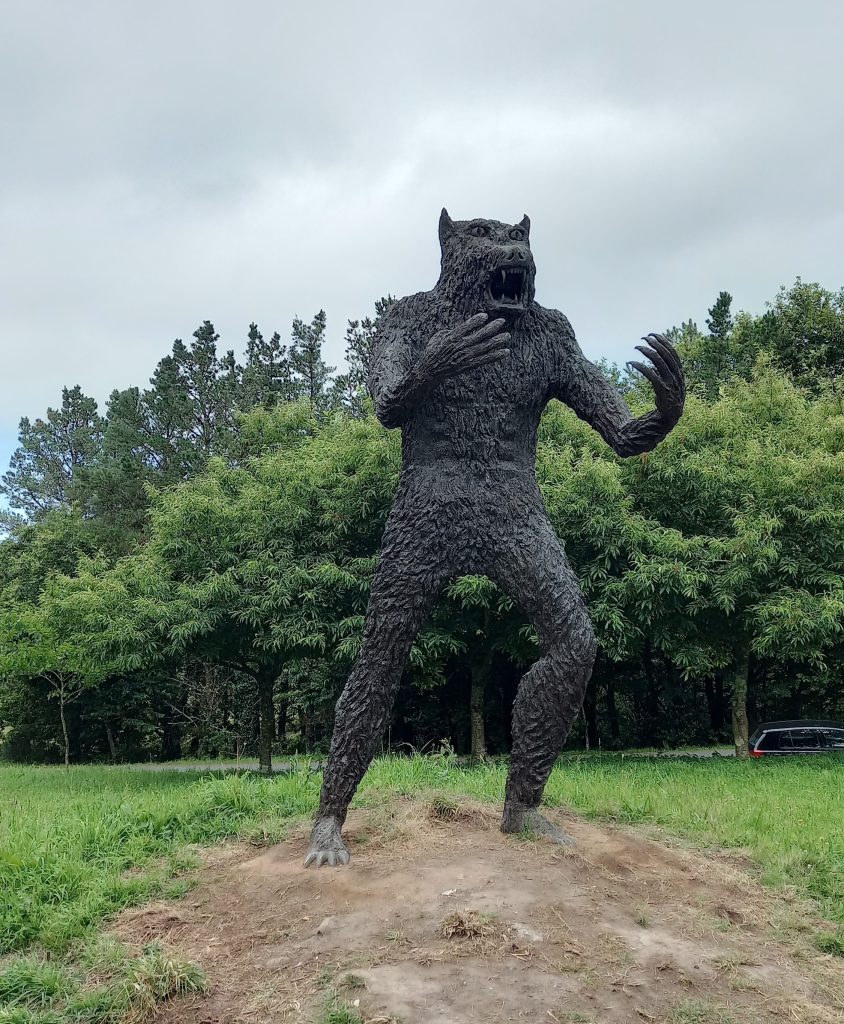
Today, the lands of Dumbría pay tribute to this enigma with a monumental sculpture nearly five meters tall, installed right along the route of the Camino, making it a must-stop spot to take photos and relive this medieval mystery.
Traveling the route to Fisterra and Muxía means venturing into a land steeped in magic, ancient tales, and unforgettable Atlantic landscapes. And after a day of walking—discovering legendary spots like the realm of the Vákner or sunsets over the coast—nothing feels better than a truly restful break.
Your Home in Lires (Cee)
Walking the Camino or exploring Costa da Morte?
Whether you are continuing your pilgrimage to Fisterra and Muxía or looking for a peaceful coastal getaway, caSAnosa provides the perfect sanctuary to relax and recharge in nature.
📍 Right on the Camino route
🌿 2,500 m² private garden
🚗 Free covered parking
👥 Up to 10 guests
Sources and recommended reading
- El Español (Quincemil): El Vákner, un hombre lobo medieval en el Camino de Santiago
- Concello de Dumbría: Territorio Vákner en el Camino de Santiago
- La Voz de Galicia: El Vákner vuelve a ser el terror de los peregrinos
- Fantasía Celta (David Tebras): Vákner: un terror medieval en el Camino de Santiago